Comprehending the Impact of Organic Farming on Environmental Health And Wellness
The expedition of natural farming's impact on environmental health and wellness provides a compelling story of environmental equilibrium and sustainability. By focusing on all-natural procedures over artificial interventions, organic farming practices offer a promising option to some of the most pressing environmental obstacles.
Enhancing Dirt Fertility
Enhancing soil fertility is a cornerstone of natural farming, as it directly influences crop yield and ecological sustainability. Organic techniques focus on the natural enrichment of soil wellness, mostly through the use of natural matter such as garden compost, environment-friendly manure, and cover plants. These techniques boost dirt structure, water retention, and nutrient schedule, fostering a thriving ecosystem of microbes and valuable bugs that add to dirt health.
Organic farming eschews artificial fertilizers, deciding instead for natural amendments that advertise balanced nutrient biking. This approach not just restores important nutrients like nitrogen, potassium, and phosphorus yet likewise boosts the soil's capability to sequester carbon, minimizing climate modification results. The combination of plant rotation and polyculture practices additionally contributes to dirt fertility by stopping nutrition deficiency and decreasing pest stress.
Furthermore, the focus on maintaining living roots year-round with cover chopping helps reduce dirt disintegration and advertise biodiversity. This biological variety is vital for sustainable agriculture, as it supports strength versus diseases and parasites. In recap, chemical-free farming's concentrate on improving soil fertility not only improves performance but also straightens with broader ecological goals, ensuring long-lasting agricultural stability and eco-friendly equilibrium.
Reducing Contamination
By avoiding synthetic fertilizers and pesticides, organic farming dramatically decreases the leaching of hazardous chemicals into dirt and water systems. Organic farming's reliance on all-natural plant foods, such as compost and green manure, further boosts soil health without presenting contaminants.
Furthermore, natural farming methods add to air quality renovation. Natural farming often includes plant rotation and cover cropping, methods that boost carbon sequestration and decrease greenhouse gas discharges.
In addition, organic qualification requirements impose stringent standards on waste management, making sure that farming deposits are taken care of in an eco accountable fashion. These procedures jointly lessen the contamination worry on the environment, promoting a cleaner, healthier environment. Hence, natural farming plays a crucial duty in curbing pollution and promoting lasting farming landscapes.
Promoting Biodiversity
Invariably, organic farming plays a vital duty in advertising biodiversity by promoting a varied ecological community within farming landscapes. This practice embraces all-natural procedures, staying clear of artificial chemicals and genetically changed microorganisms, which can interfere with local flora and animals. By utilizing crop rotation, polyculture, and the maintenance of all-natural environments, natural farming sustains a selection of types, from soil microbes to pollinators and killers that normally control insect populations.
One of the essential elements of organic farming that enhances biodiversity is the focus on keeping and boosting soil health and wellness. Healthy dirts act as environments for a wide range of organisms, adding to vitamins and mineral biking and environment resilience. The avoidance of artificial chemicals and fertilizers reduces dangerous overflow, shielding surrounding ecosystems and water bodies from contamination, which often results in a richer biodiversity in bordering areas.
Additionally, natural farms often include buffer areas, hedges, and cover plants, which supply extra environments and food resources for wild animals. These functions create passages for pet movement and rise genetic variety within populations. By promoting eco-friendly balance and durability, chemical-free farming helps sustain diverse life forms, eventually adding to the stability and productivity of agricultural systems and the more comprehensive atmosphere.
Conserving Water Resources
By emphasizing dirt health and wellness, organic farming improves the soil's capability to keep wetness, therefore reducing the demand for too much watering. Strategies such as plant turning, cover cropping, and the use of organic issue improve the dirt framework, raising its water retention ability.
In addition, natural farming reduces water air pollution by eliminating synthetic plant foods and chemicals, which prevail pollutants in standard farming. The reliance on natural parasite control approaches and organic inputs reduces the runoff of unsafe compounds into water bodies, protecting water environments and preserving the high quality of water resources. This technique my response assists safeguard biodiversity in waterways and supports the wellness of neighborhoods reliant on these water sources.
In addition, natural farmers commonly carry out rain harvesting systems and employ drip watering methods that efficiently supply water straight to plant roots, additionally enhancing water use. These strategies jointly add to the sustainable management of water sources, ensuring their schedule for future generations while supporting agricultural productivity.

Boosting Carbon Sequestration
Enhancing carbon sequestration is one of the vital advantages of chemical-free farming techniques, which play a critical role in mitigating climate modification. By promoting much healthier dirt environments, organic farming boosts the soil's capacity to store and record carbon dioxide from the ambience. This is achieved via the application of compost, cover chopping, and reduced husbandry, which add to increased raw material in the dirt. As organic issue breaks down, it creates steady carbon substances that continue to be sequestered in the soil for prolonged durations.
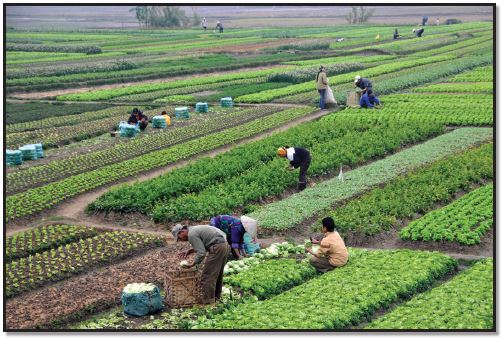
In addition, natural farming decreases reliance on synthetic fertilizers, which are connected with greenhouse gas emissions during their production and application. By promoting a closed nutrient cycle, organic systems reduce discharges while catching more carbon in the dirt. Consequently, natural farming represents a sustainable method to resolving international environment obstacles.
Final Thought
The effect of natural farming on environmental health is profound, as it boosts dirt fertility, minimizes contamination, and promotes biodiversity. By prioritizing natural amendments and lasting techniques, natural farming decreases chemical drainage, shielding marine ecological communities. Strategies such as crop rotation and cover cropping contribute to carbon sequestration and water preservation, promoting resilient farming systems. This alternative method supports the health of the atmosphere, underscoring the important role of chemical-free farming beforehand sustainable farming practices (commercial farming vs subsistence farming).
Enhancing dirt fertility is a cornerstone of natural farming, as it straight impacts plant return and environmental sustainability. Organic techniques prioritize the all-natural enrichment of dirt more helpful hints health and wellness, primarily with the usage of organic matter such as garden compost, environment-friendly manure, and cover crops. By avoiding artificial fertilizers and chemicals, natural farming substantially minimizes the leaching of unsafe chemicals right into soil and water systems. By emphasizing soil wellness, natural farming enhances the dirt's capacity to keep wetness, hence reducing the need for extreme watering. By promoting healthier soil environments, organic farming improves the dirt's capacity to keep and catch carbon dioxide from the atmosphere.